Saumya, Founder | 4 min read
A few flakes in a baby's fine hair can look dramatic against a dark top. Trying to get every one out often makes bath time harder than it needs to be. The gentlest starting point is usually a change in technique, not a homemade scalp mixture.
Table Of Contents
- 5 Tips To Fix A Dry, Flaky Baby Scalp Naturally
- 1. Look Before You Wet Or Oil The Scalp
- 2. Match The Wash To The Scalp You See
- 3. Let Loose Scale Lift Without Pulling At The Skin
- 4. Keep Kitchen Remedies Off The Scalp
- 5. Check Comfort Before Trying Another Treatment
- FAQs
5 Tips To Fix A Dry, Flaky Baby Scalp Naturally
Quick Answer: Start by identifying the type of flake, using a mild wash, loosening only what lifts easily, skipping irritating remedies and watching the scalp's response. Here, natural care means low-intervention handling. It does not mean a plant oil, lemon juice or other kitchen ingredient is needed to fix the skin.
1. Look Before You Wet Or Oil The Scalp
In daylight, gently part a little hair. Loose dust-like flakes on rough skin look different from an attached, waxy layer. Note any itch, redness or change around the eyebrows and ears. This first look helps you describe the problem without trying to diagnose it from one flake.
If your baby is comfortable, there is no need to clear every trace that day. A patch that is sore, oozing or causing obvious distress calls for advice rather than more home treatment.
2. Match The Wash To The Scalp You See
Use lukewarm water and a mild, fragrance-free baby shampoo when cleansing is needed. Limit unnecessary repeat lathering on a scalp that feels dry after washing. Rinse well so product does not gather along the hairline.
For typical cradle cap, gentle shampooing can be useful more often than it would be for simple dryness. If your baby has eczema or a prescribed care plan, follow the individual advice about washing instead of borrowing another family's schedule.
3. Let Loose Scale Lift Without Pulling At The Skin
During the wash, gently move your finger pads over the affected area. A soft baby brush can help lift already loosened cradle-cap scale. Stop where the scale stays attached; you do not need to get under an edge with your nail.
Do not pick or scrape. It can leave broken skin and increase the chance of infection. Rinse away what lifts and dry by blotting. A little scale left in place is preferable to a raw patch.
4. Keep Kitchen Remedies Off The Scalp
Lemon juice, baking soda, undiluted essential oils and rough scrubs are not mild just because they are familiar. Avoid experimenting with several substances on skin that is already flaky. A strong scent or tingling sensation is not evidence that a remedy is helping.
If scale is firmly stuck, ask about a suitable infant product to soften it. The AAD's cradle-cap guidance discusses a non-food-based oil before shampooing; it does not recommend an overnight kitchen-oil routine for every dry scalp.
5. Check Comfort Before Trying Another Treatment
Look again at the next ordinary care time. Is the area less uncomfortable? Is the scale lifting more easily? You can leave the routine alone when the scalp looks calm, even if a few flakes remain.
If itching disrupts sleep, the rash spreads, hair is coming out in patches or the scalp smells unpleasant or becomes painful, arrange an assessment. The right next step may depend on the diagnosis rather than on a different natural ingredient.
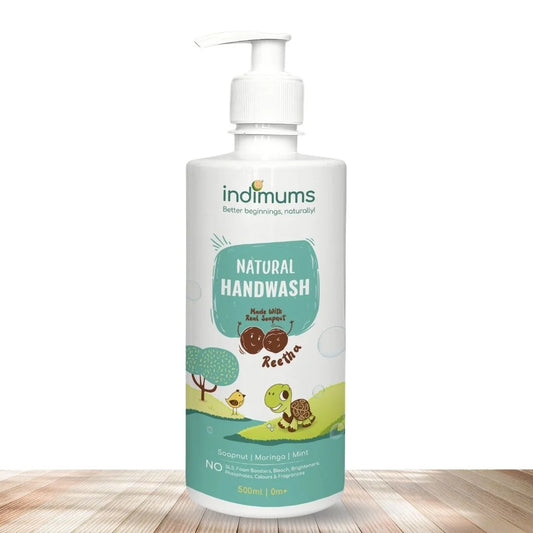
Does Your Baby Need A Different Wash?
Choosing the cleanser comes after working out whether the scalp needs cleansing, scale care or medical attention.
Will Baby Shampoo Help With Dry Scalp?
Conclusion: Gentle Handling Is The First Home Remedy
Start small: a suitable wash, careful fingertips and no scraping. The goal is a comfortable scalp, not removing every visible flake at once.
Keep home care simple enough to notice what helps, and get persistent or uncomfortable changes checked.
FAQs
Q1. Is a flaky scalp always cradle cap?
A1. No. Dry skin and eczema can also flake. Greasy attached scale is one clue, not a diagnosis by itself.
Q2. Should I use a brush on fine dry flakes?
A2. You need not brush off every flake. A soft brush is most useful for already-loose scale; never press hard enough to redden the skin.
Q3. Is lemon juice suitable for cradle cap?
A3. No. Acidic kitchen remedies can irritate the skin and are unnecessary for routine care.
Q4. Does cradle cap mean the scalp is dirty?
A4. No. It can occur on a regularly washed scalp and is not a sign of poor hygiene.
Q5. Can I leave a thick oil layer on overnight?
A5. That is not necessary for ordinary flaking. Ask about an appropriate softening step if scale remains firmly attached.
Q6. What if the scalp bleeds when scale comes off?
A6. Stop picking or brushing the area. Seek advice if the skin is broken, sore or showing signs of infection.