Saumya, Founder | 5 min read
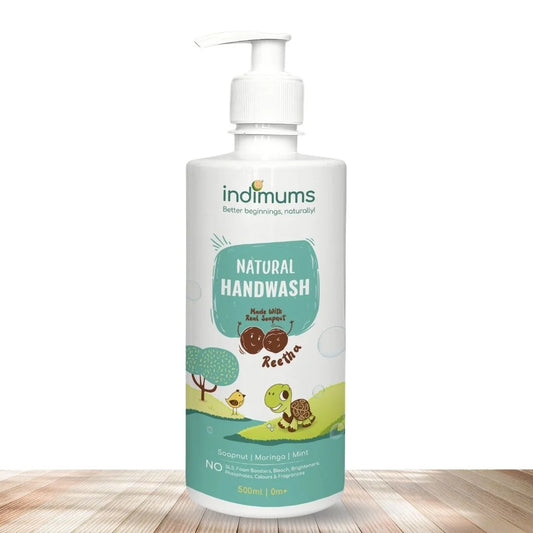
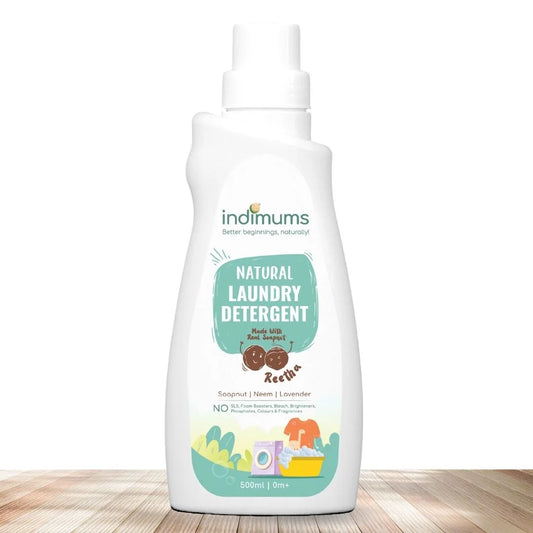
A bottle can put reetha, aloe vera or almond oil in large letters while leaving the rest of the formula to the back. Both sides belong to the same product, but they tell different parts of the story. Reading them together makes the choice clearer.
Table Of Contents
- What Does An Ingredient List Tell You That The Front Label Doesn't?
- What Else Is In The Bottle Alongside The Hero Ingredient?
- Does The Order Tell You How Much Of Each Ingredient Is Used?
- Which Names Help You Ask More Useful Questions?
- FAQs
What Does An Ingredient List Tell You That The Front Label Doesn't?
Quick Answer: An ingredient list shows the declared components behind a front-label promise, including cleansing agents, oils, fragrance ingredients and preservatives. It helps you see whether a highlighted botanical is part of a broader formula and spot ingredients you need to avoid personally. It does not reveal exact quantities or prove how the finished product performs.
What Else Is In The Bottle Alongside The Hero Ingredient?
The front label usually selects a few selling points. The ingredient list broadens the picture: a reetha-based wash may also contain another cleansing agent, while an aloe cream may include oils, emulsifiers and preservatives. Those supporting ingredients are not automatically a problem; they often help make the product usable and stable.
A botanical headline is not a complete formula description. When comparing two products, look for the ingredients doing the main cleansing or moisturising work, then consider the supporting ingredients. Two bottles with the same plant on the front can still behave differently because the rest of their formulas differ.
Does The Order Tell You How Much Of Each Ingredient Is Used?
Ingredient order can offer clues about a formula's composition, but it is not an exact percentage chart. Labelling conventions and exceptions mean you cannot reliably calculate a botanical's concentration from its position alone. A low-position ingredient may still have a useful role, while a prominent front-label ingredient need not be the main component.
Do not treat the first three ingredients as a complete verdict. Cleansing mildness, preservation and texture depend on combinations and concentrations, not just a ranked list. If a particular concentration matters to your decision, look for a specific disclosure or ask the manufacturer rather than estimating it from the label.
Which Names Help You Ask More Useful Questions?
Fragrance ingredients are worth checking when scent is relevant to your choice. The American Academy of Dermatology recommends fragrance-free products for children with eczema; a familiar essential oil can still add fragrance. Preservatives deserve a different question: how is the product protected during normal use? Their presence is not automatically evidence of a harsh formula.
The list also helps identify a known allergy or compare a product that suited your baby with one that did not. It does not establish the finished pH, prove a dermatological claim or guarantee an irritation-free experience. Read names for useful information, not as a contest between natural-sounding and laboratory-sounding words.
Want To Look More Closely At A Cleansing Base?
Once you can separate a hero ingredient from the complete formula, comparisons become more practical. The next question is what the cleansing system is designed to do.
Read why Indimums chose reetha when formulating its shampoo for the brand's ingredient rationale.
Conclusion: The Front Makes A Promise; The List Adds Detail
An ingredient list helps you see past a single highlighted plant and understand the wider formula. It is especially useful for checking fragrance, supporting ingredients and known triggers.
Read it alongside the directions and product information. The best decision comes from the whole picture, not a familiar name on the front or an unfamiliar one on the back.
FAQs
Q1. Does a reetha label mean reetha is the only cleanser?
A1. No. A reetha-based product may use additional cleansing agents. The full ingredient list is the place to check the broader cleansing system rather than relying on the front label alone.
Q2. Can I calculate ingredient percentages from the list?
A2. Usually not. Order provides clues, but it does not disclose exact quantities. Ask the manufacturer when a particular concentration is important to your decision.
Q3. Does no synthetic fragrance mean no scent ingredients?
A3. No. Essential oils and other aromatic ingredients may still contribute scent. Check the full list when you specifically need a fragrance-free product.
Q4. Are preservatives unnecessary in natural baby products?
A4. No. Many formulas, especially those containing water, need a suitable preservation system. Natural origin does not prevent microbial contamination during storage and use.
Q5. Can an ingredient list prove a shampoo is mild?
A5. Not by itself. Concentrations, ingredient combinations, pH and finished-product testing also matter. The list helps you understand composition, but it is not a complete performance report.
Q6. Should I avoid every ingredient whose name I do not recognise?
A6. No. Standard ingredient names can sound unfamiliar even when the ingredient has a straightforward role. Check what it does and whether it is relevant to a known sensitivity rather than judging it by its name.