Deep nourishment without the chemical load of conventional creams— 16 butters and oils, nothing else.


Natural Baby Cream for Dry & Sensitive Skin
Natural Baby Cream for Dry & Sensitive Skin
Pure Oils & Butters | Long-Lasting Moisture | Absorbs Without Chemical Residue
Estimated Delivery: 3–5 Days
Couldn't load pickup availability


Offers For You
💚 5% Off On First Order
💚 Free Shipping Above ₹700
💚 Additional 5% Off: Above ₹2000
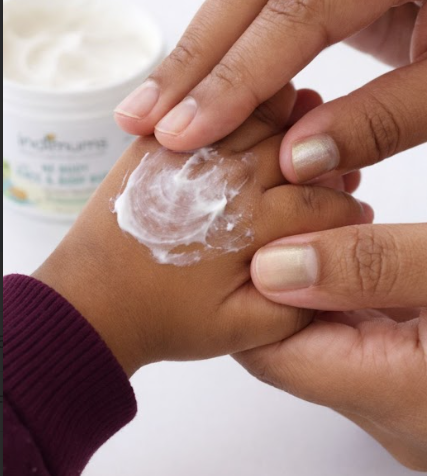
After bath, a baby's skin barrier is at its most vulnerable — natural oils have been reduced and moisture starts escaping immediately if nothing locks it in.
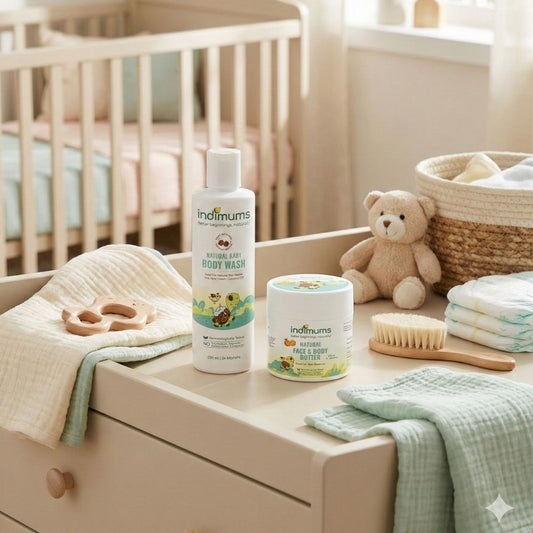
Indimums Baby Cream uses a blend of pure natural butters like Shea Butter, Mango Seed Butter and Kokum Butter, combined with pure oils like Almond Oil, Sesame Oil and Coconut Oil to absorb into skin quickly, lock moisture in, and calm redness without sitting heavy or leaving residue. Skin stays soft, protected, and moisturised for hours — not just minutes after application.
Collapsible content
Dry Skin Back Within Hours?
Why parents choose Us?
What's inside & why?
Read this before you buy
Questions parents ask us


Parents Pair Them For Complete Care
-
Natural Hair Care Bundle
Regular price Rs. 948.00Regular priceUnit price perRs. 1,098.00Sale price Rs. 948.00 -
Daily Baby Bath Bundle
Regular price Rs. 725.00Regular priceUnit price perRs. 798.00Sale price Rs. 725.00 -
Baby Skin Care Bundle
Regular price Rs. 994.00Regular priceUnit price perRs. 1,398.00Sale price Rs. 994.00



Hear It From Other Parents Like You
Have questions? We're here to help!
I really like the product must buy for baby's delicate skin it's completely safe and useful for babies 🧸💖
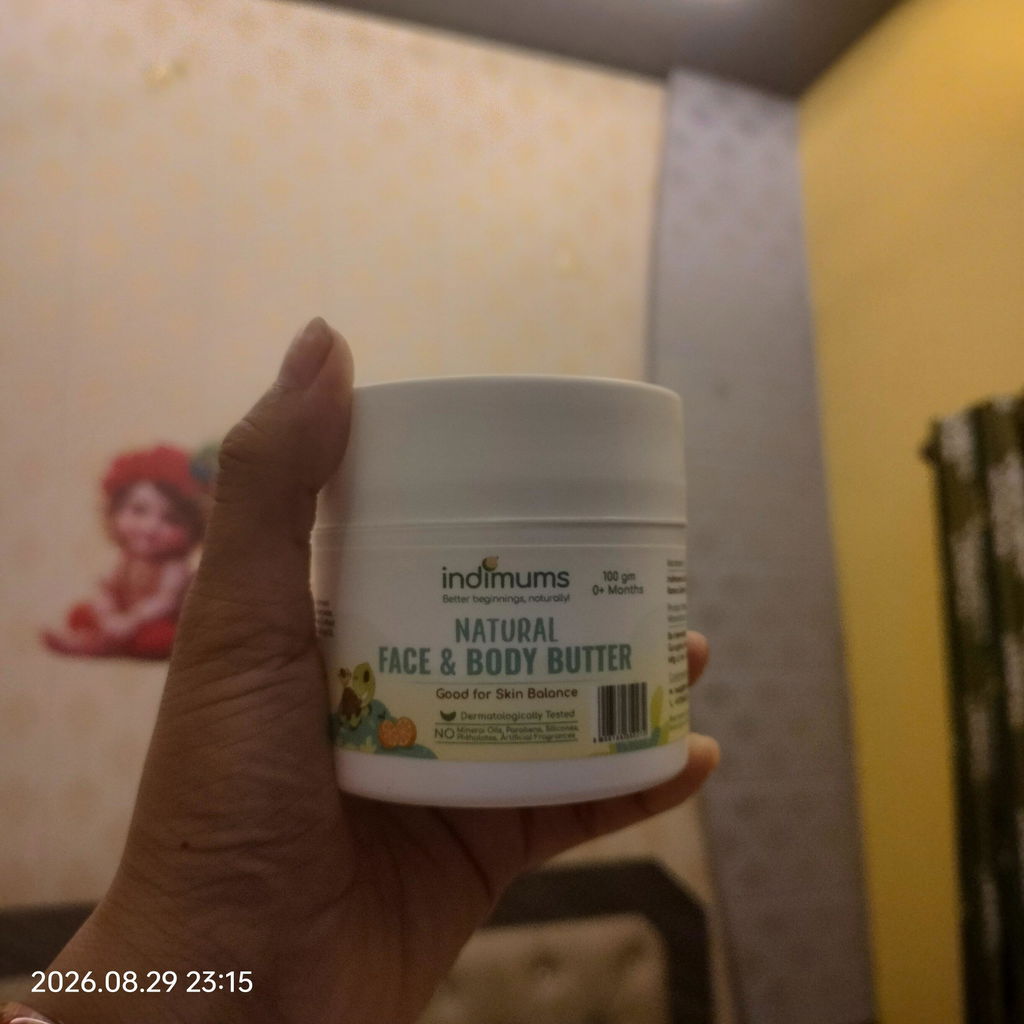
Contains nourishing ingredients such as shea butter, kokum butter, mango butter, almond oil, sesame oil, and coconut oil, which are excellent for dry and sensitive skin.
My baby’s skin feels soft, smooth, and well-hydrated throughout the day. It’s especially helpful for dry patches, and I like that it’s made with natural ingredients and is gentle on delicate baby skin. The mild fragrance is pleasant and not overpowering.
Overall, it’s a great everyday moisturizer for keeping a baby’s skin nourished, soft, and healthy-looking. I would definitely recommend it to parents looking for a gentle face and body butter for their little one.
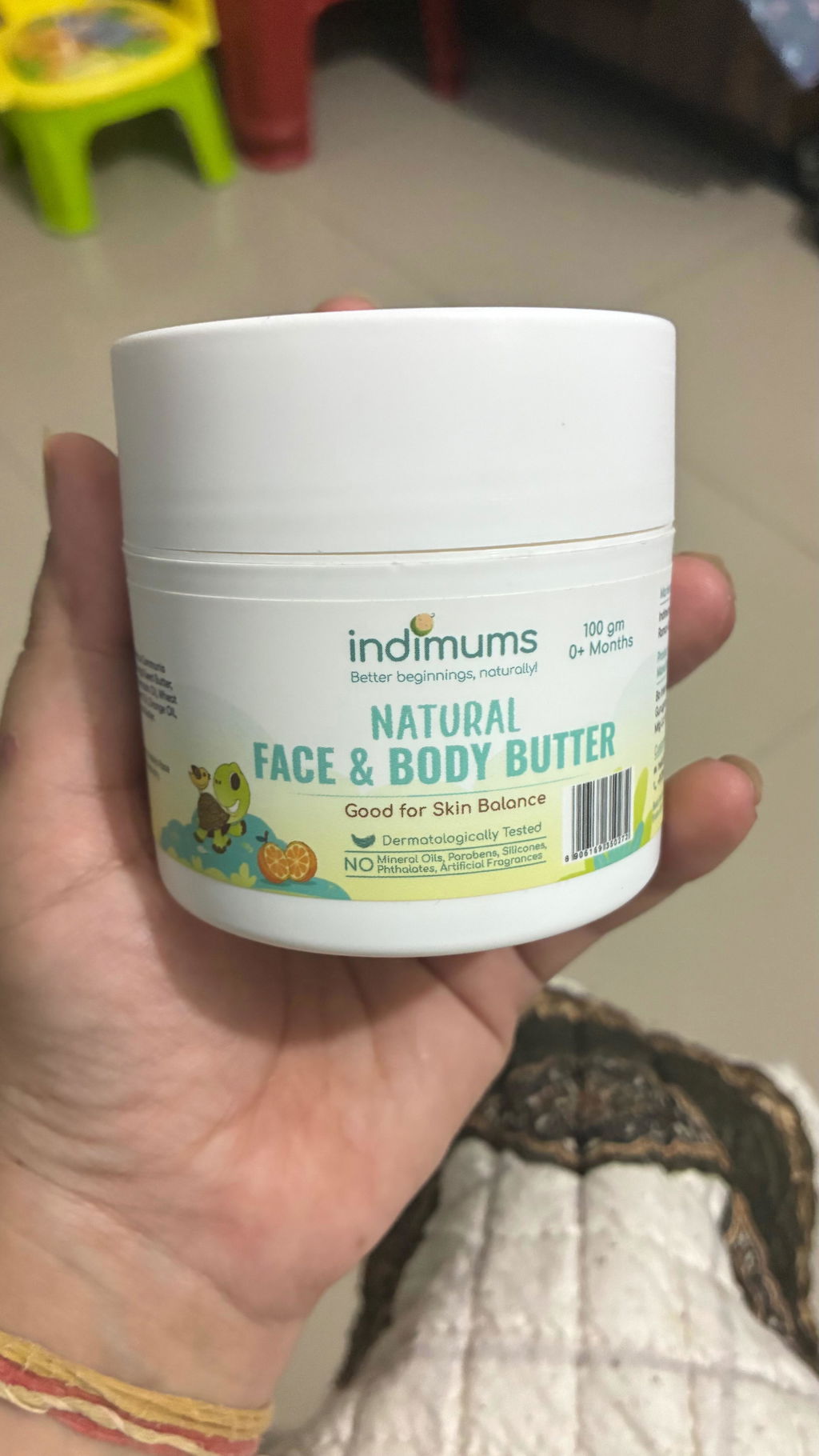
I love this face and body butter. The fact that it has kokam butter, Shea Butter and Beeswax among other natural ingredients is a big plus. It offers real barrier support and keeps my baby's skin hydrated and moist hours after application. It's a bit pricey, but totally worth it.
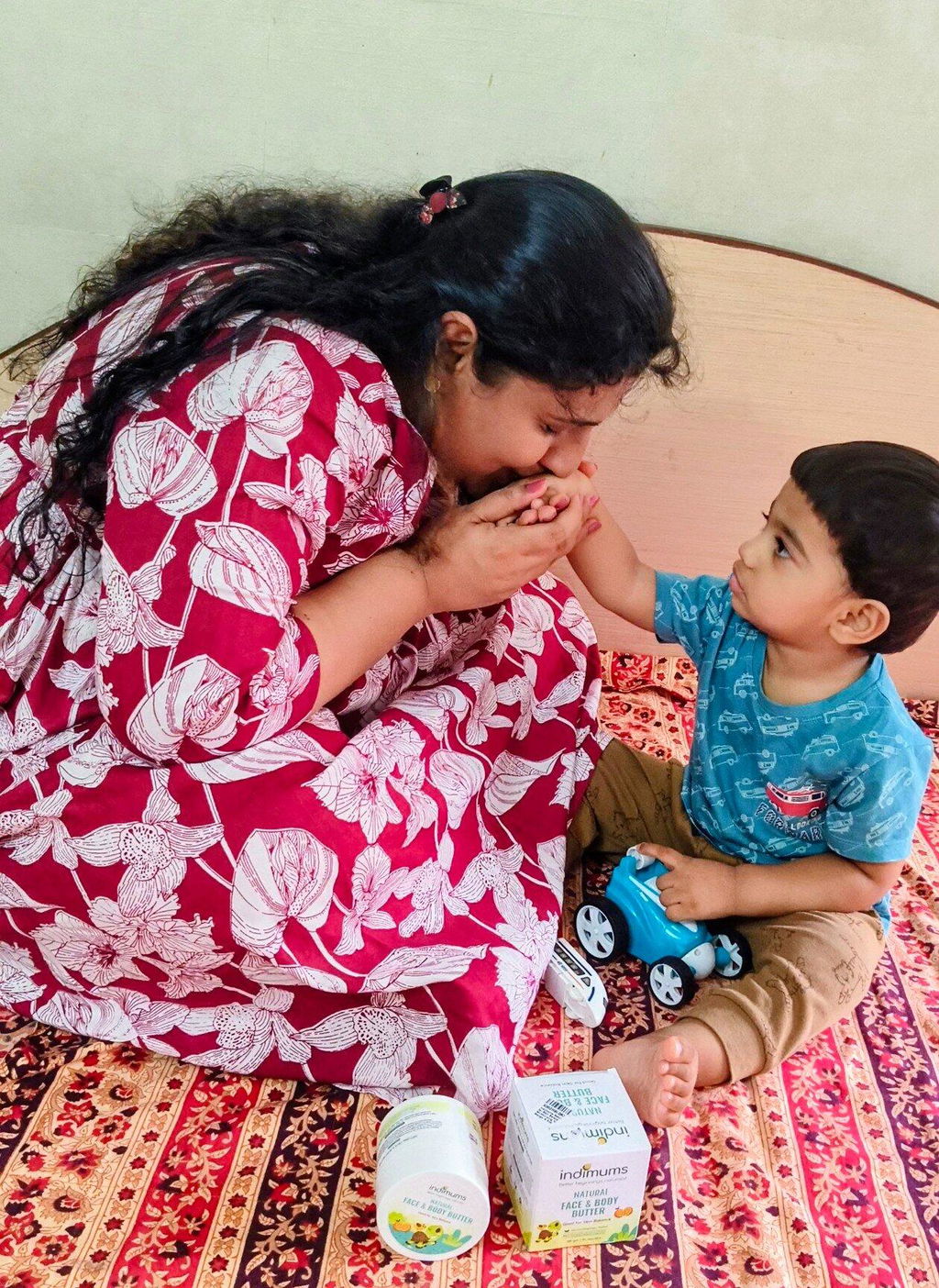
I've been using the Indimums Baby Face & Body Butter for my baby, and my experience has been really good so far. The texture is rich, creamy, and easy to apply. It absorbs well into the skin and leaves it feeling soft and moisturized without feeling greasy. I also like its mild fragrance. It's now a part of my baby's daily skincare routine. Overall, I'm happy with the product and would recommend it to parents looking for a nourishing baby body butter.
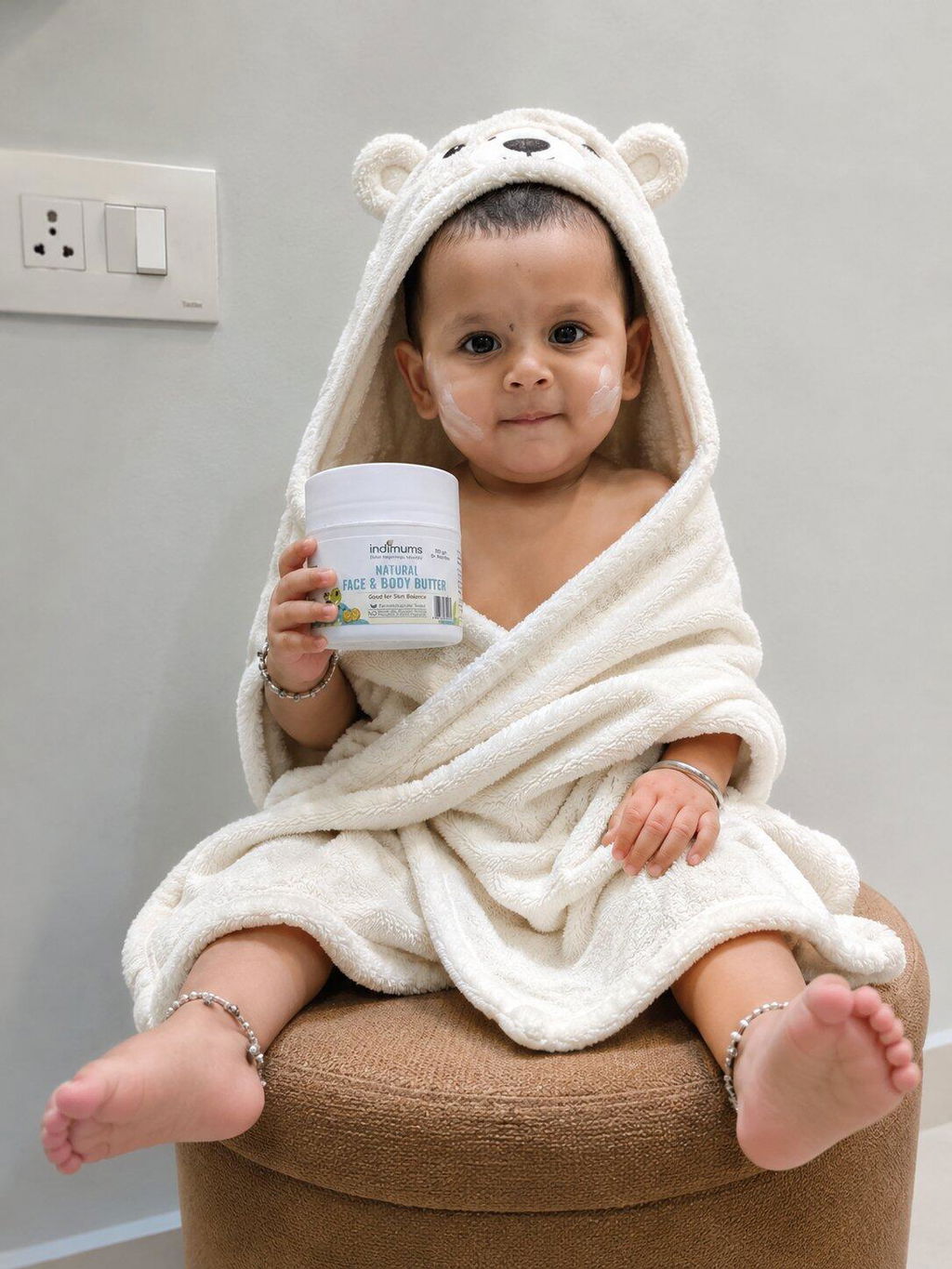
Finding a cream that doesnt feel too heavy but still works well is not easy. This one feels balanced. I apply once after bath and it works fine through the day.
The hydration from this cream is genuinely impressive. My sons skin absorbs it so well and the hydration stays locked in for hours. No tightness returning after 30 minutes. No dryness patches appearing by afternoon. Just consistently hydrated comfortable baby skin all day.
After using this cream for a few weeks I can see my baby skin feels softer. I also like using it after bath because it spreads easily and smells pleasant.
The cocoa butter in this cream is such a smart choice because cocoa butter provides rich long-lasting moisture without feeling greasy. Combined with chamomile which chamomile calms inflammation and keeps sensitive skin happy and comfortable...the hydration from this cream is genuinely deep and lasting. My 1yr 8m old boys skin stays moisturized for most of the day from one application.
The softness transformation in my kids skin since using this cream is real and visible. Before it was rough and dry in patches. Now its uniformly smooth and soft. My mother-in-law visited and immediately said the baby looks healthy and glowing.
Chemical free is a big claim that most brands dont actually deliver on. Indimums does that. I checked everything...no SLS no parabens no artificial colours. Just clean ingredients. My daughters skin has been perfectly calm and healthy since we switched.
Started with just the cream but my friend suggested pairing it with Indimums body wash too. Best advice ever! The body wash is equally clean and gentle and the combination keeps my sons skin so much better than either alone. Cream after body wash is the routine now.
Using Indimums body wash AND cream is the complete baby skin routine honestly. Body wash doesnt strip the skin so the cream can work even better on a well-prepared skin base. My sons skin has been zero-dryness zero-irritation zero-reaction since I started using both together.
Heavy greasy creams are a nightmare for active babies. My son crawls everywhere and I was worried about a greasy cream. Indimums is so light that there is nothing to worry about. It absorbs so quickly and cleanly. Skin feels soft and comfortable and he can crawl and play without any discomfort.
I use Indimums body wash during bath and then Indimums cream after drying and the combination is just perfect for my 2yr olds skin. Body wash cleanses gently without stripping...cream then seals in moisture. Skin stays soft and hydrated all day.
When I first opened this cream the fresh citrusy warmth just made me smile immediately. And on my daughters skin it settles into this beautiful soft orange blossom kind of warmth. Natural...gentle...not overpowering at all. This fragrance is why I became a repeat buyer.
Even after some time, skin still feels so soft and calm. No sticky feeling at all. And that light orange smell stays a little… very mild and nice. I actually love carrying my baby close after applying it. Just feels very comforting 😊
I usually apply cream right before putting my daughter into her clothes after bath, so I do not like products that leave the skin sticky or greasy. This one absorbs really nicely within a few minutes and her skin just feels naturally soft after that. Even in warm weather it feels comfortable and light on the skin.
Got both the body wash and cream together and have been using it regularly. It feels like a simple routine that works. No issues so far so I have continued with it.
Using both the body wash and cream together has worked well for my child. Bath time feels gentle and after applying the cream the skin feels normal and soft. I just stick to this routine now.
I started using the body wash and this cream together for my baby’s dry areas. The body wash is quite gentle and this cream works well after bath. I have seen a good difference in her skin over a few weeks so I have continued the same routine.
One thing I really like about this cream is how light it feels. It spreads easily and gets absorbed without leaving any white layer. I use it daily for my daughter and it doesn’t feel heavy on her skin at all.
I always check ingredients before buying anything for my kids. This one felt simple and clean so I gave it a try. It has suited my son well and his skin has been fine with regular use.
The scent of this cream is really nice, a soft orangey citrus kind of fragrance that feels fresh but not strong at all. It’s very light and pleasant, not artificial or overpowering. My kid smells really nice after I apply it, and it has become a simple, nice part of our routine.
I picked this cream because it felt simple and gentle for baby skin. It spreads easily, absorbs well, and keeps my baby’s skin soft and comfortable through the day. The light natural smell is also really nice after application. It has been working really well for us so far.
Okay the fragrance of this cream is really good. That warm citrusy orange note is just perfect for a baby product. Fresh clean natural. My boy smells like a little orange blossom after cream application. My husband smells his head after every cream application now its become a ritual.
The orange-ish fragrance of this cream is honestly one of my favorite things about it. Its this warm citrusy scent that smells so fresh and natural. My 1yrold girl smells absolutely gorgeous after cream application. Even my friends notice and ask what I use.
My 4-year-old boy has always had dry skin and I was applying cream 3-4 times a day with different products and nothing would last. Found Indimums cream and honestly one application after bath keeps his skin soft and moisturized till the next bath. The dryness has reduced so dramatically.
Hydration from this cream is just so different from other baby creams I have tried. It goes DEEP into the skin not just sitting on top. My 5yr old girls skin stays plump and properly hydrated for such a long time after application.
Other Products
-
Natural Baby Shampoo | Builds Hair Foundation | Fights Dryness, Roughness & Scalp Irritation
Regular price Rs. 399.00Regular priceUnit price perRs. 399.00Sale price Rs. 399.00 -
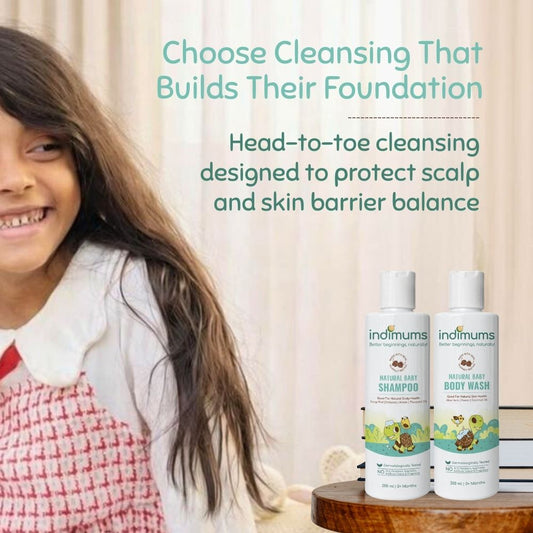
Natural Baby Body Wash for Dry & Sensitive Skin
Regular price Rs. 349.00Regular priceUnit price perRs. 399.00Sale price Rs. 349.00 -
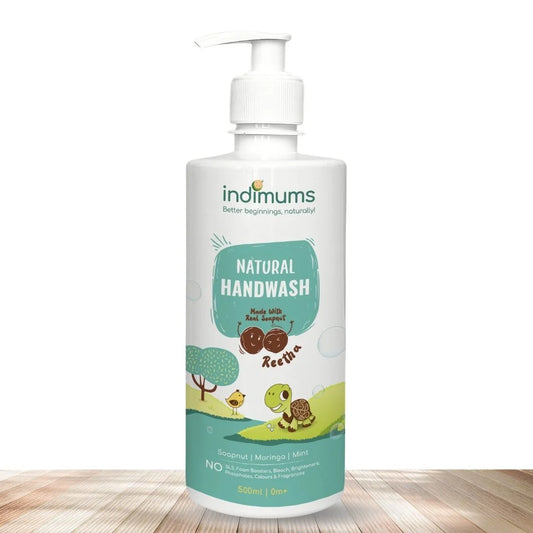
Natural Handwash
Regular price Rs. 345.00Regular priceUnit price perRs. 349.00Sale price Rs. 345.00 -
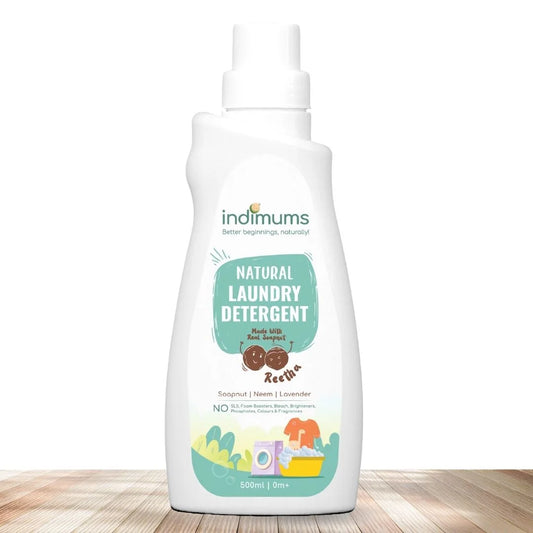
Natural Laundry Detergent
Regular price Rs. 345.00Regular priceUnit price perRs. 349.00Sale price Rs. 345.00 -
Daily Baby Bath Bundle
Regular price Rs. 725.00Regular priceUnit price perRs. 798.00Sale price Rs. 725.00 -
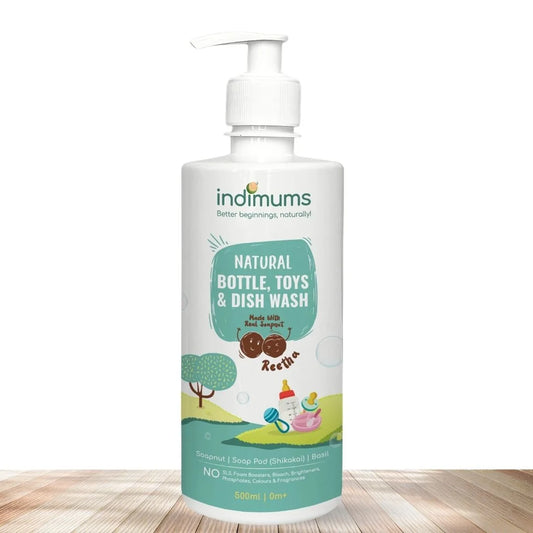
Natural Bottle, Toy & Dish Wash Liquid
Regular price Rs. 375.00Regular priceUnit price perRs. 399.00Sale price Rs. 375.00 -
Natural Baby Cream for Dry & Sensitive Skin
Regular price Rs. 695.00Regular priceUnit price perRs. 999.00Sale price Rs. 695.00 -
Baby Hair Oil for Hair Growth & Strong Roots
Regular price Rs. 599.00Regular priceUnit price perRs. 699.00Sale price Rs. 599.00 -
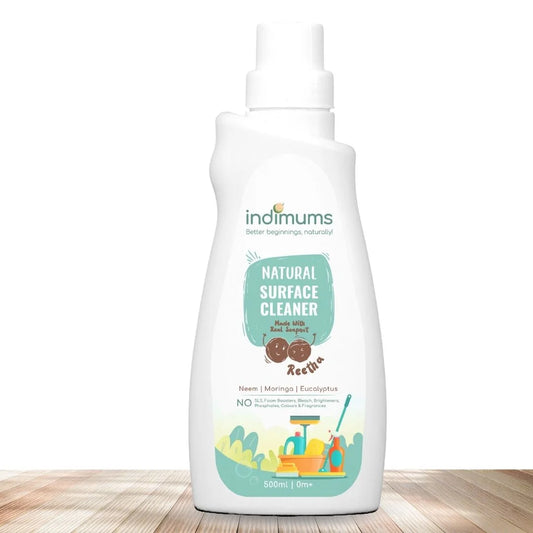
Natural Surface & Floor Cleaner
Regular price Rs. 345.00Regular priceUnit price perRs. 349.00Sale price Rs. 345.00 -
Natural Hair Care Bundle
Regular price Rs. 948.00Regular priceUnit price perRs. 1,098.00Sale price Rs. 948.00 -
Natural Baby Shampoo | Builds Hair Foundation | Fights Dryness, Roughness & Scalp Irritation (500 ml)
Regular price Rs. 925.00Regular priceUnit price perRs. 999.00Sale price Rs. 925.00 -
Natural Baby Body Wash for Dry & Sensitive Skin (500 ml)
Regular price Rs. 815.00Regular priceUnit price perRs. 998.00Sale price Rs. 815.00